Accelerated Synthetic Data Pipeline
for Object Detection
Engineered an end-to-end synthetic computer vision pipeline that reduced the development cycle for specialized military asset detection from months of manual data collection to a single week of automated generation.
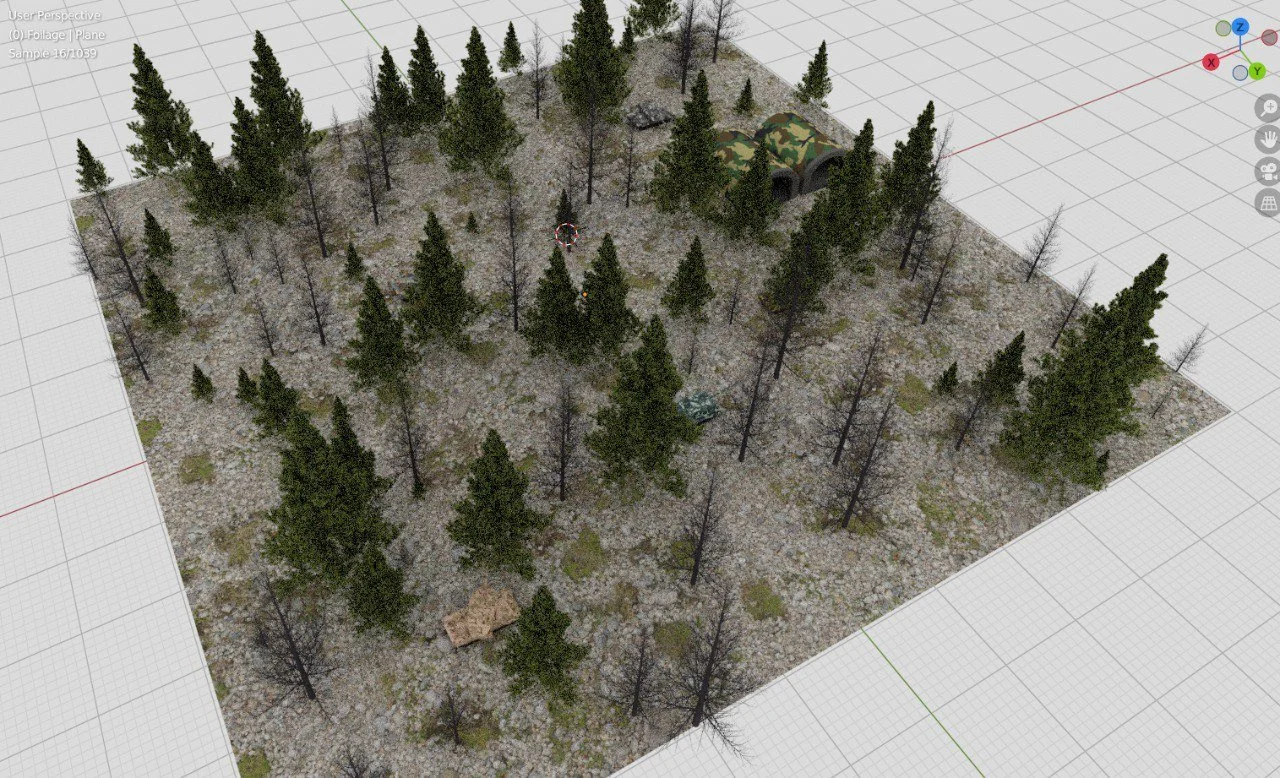
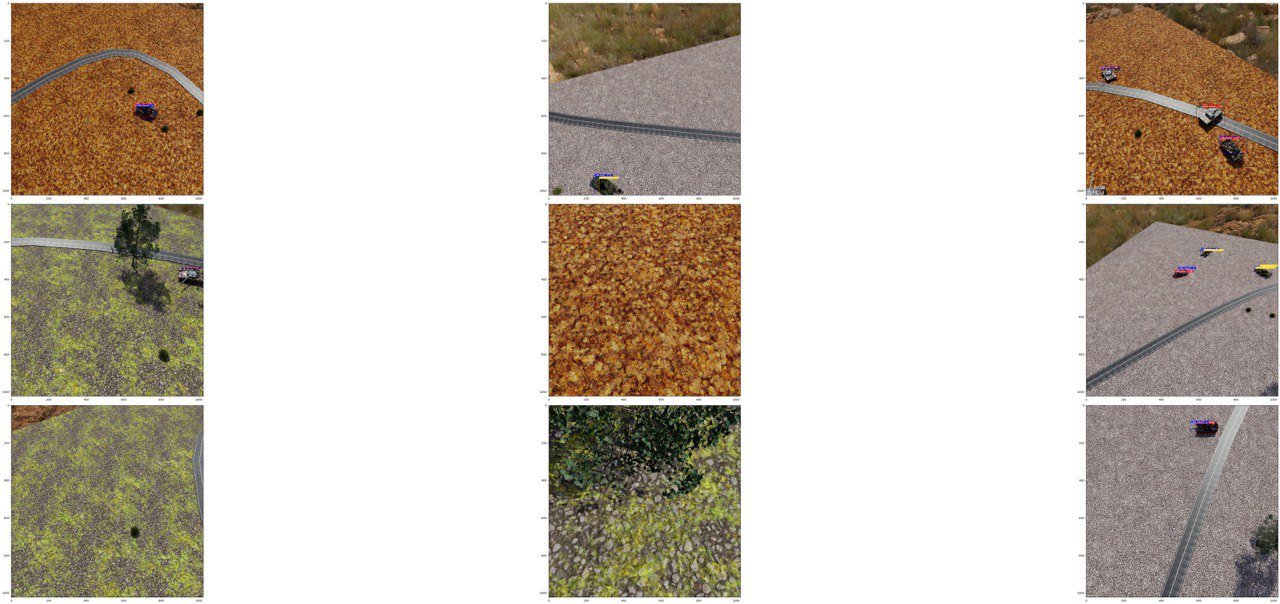
To overcome the logistical and security challenges of acquiring real-world imagery of military hardware (Tanks, BMPs) in diverse forest environments, I developed a high-fidelity synthetic data generation engine. By leveraging procedural generation and automated annotation, I created a "Sim-to-Real" workflow that allowed for the rapid training and validation of neural networks without the need for a single physical photograph.
Technical Challenges & Solutions
The Data Scarcity Problem: Real-world tactical data is often classified or physically impossible to gather in volume. I bypassed this by building a virtual proving ground where environmental variables could be controlled with mathematical precision.
Domain Randomization: To ensure the model would work in the real world, I implemented complex randomization logic. This included varying lighting conditions, weather patterns, foliage density, and object occlusions to prevent the neural network from "learning" synthetic artifacts.
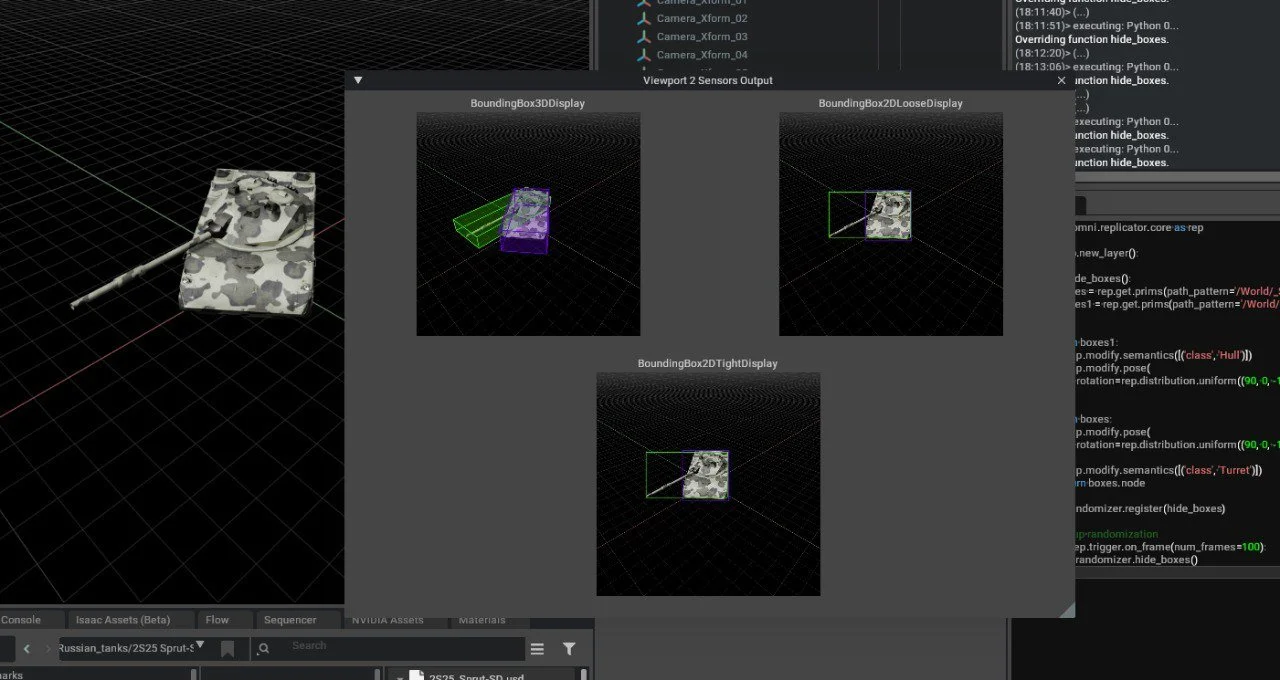
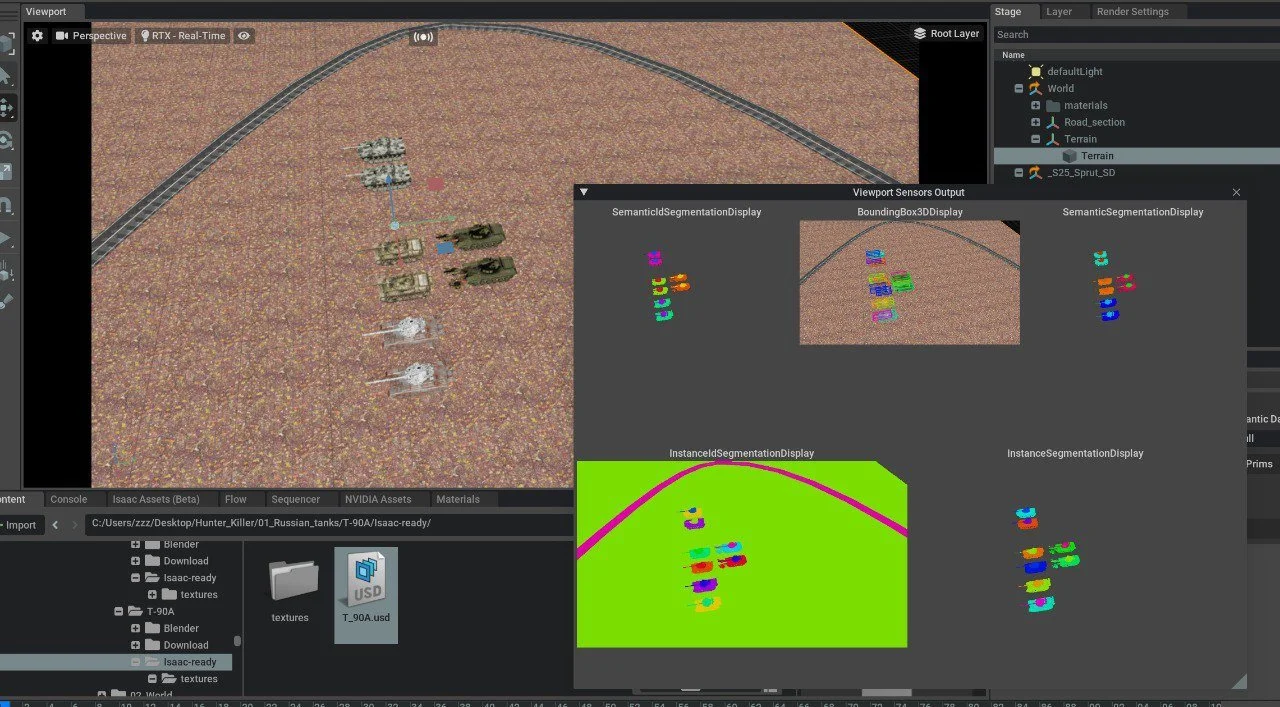
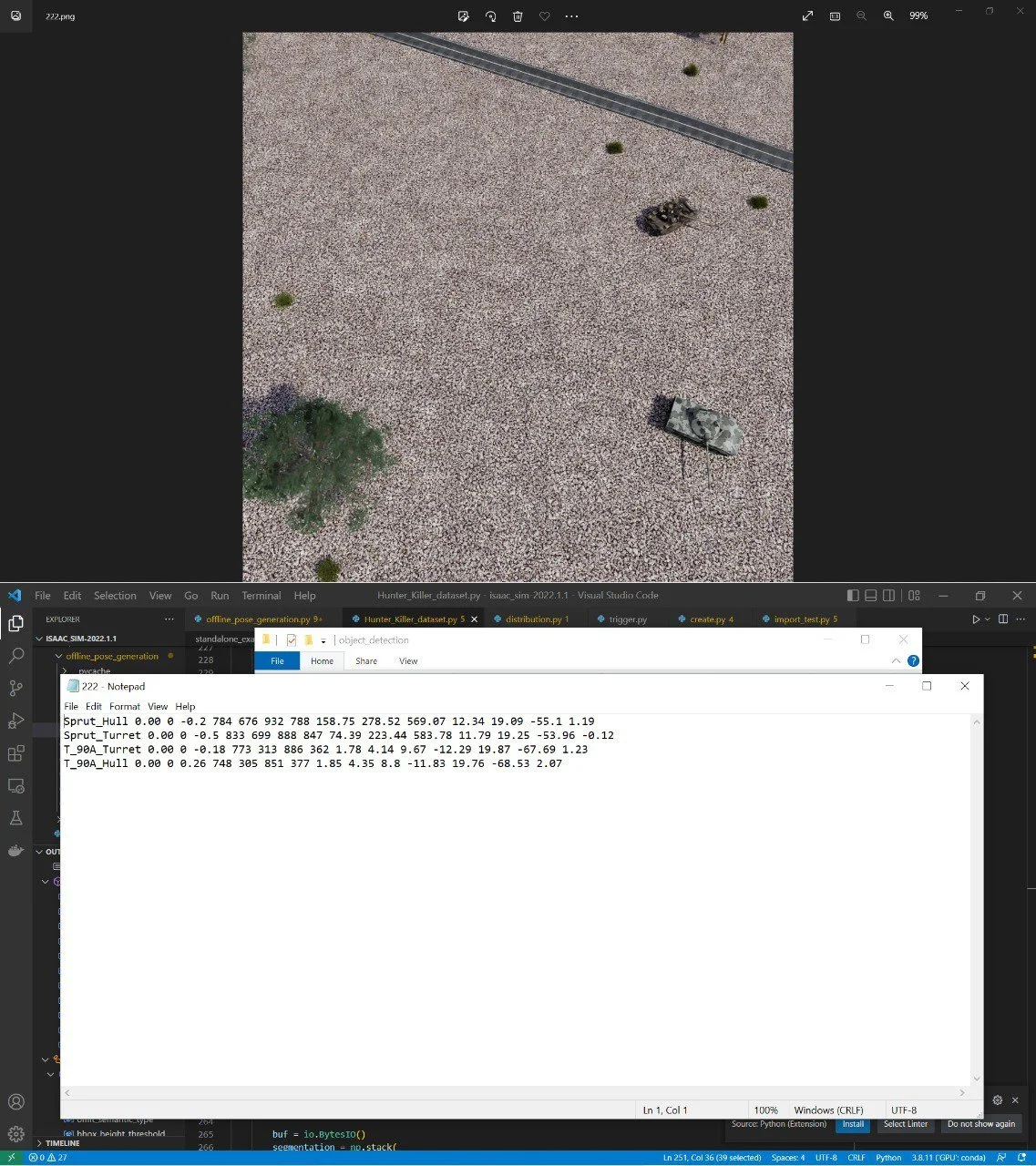
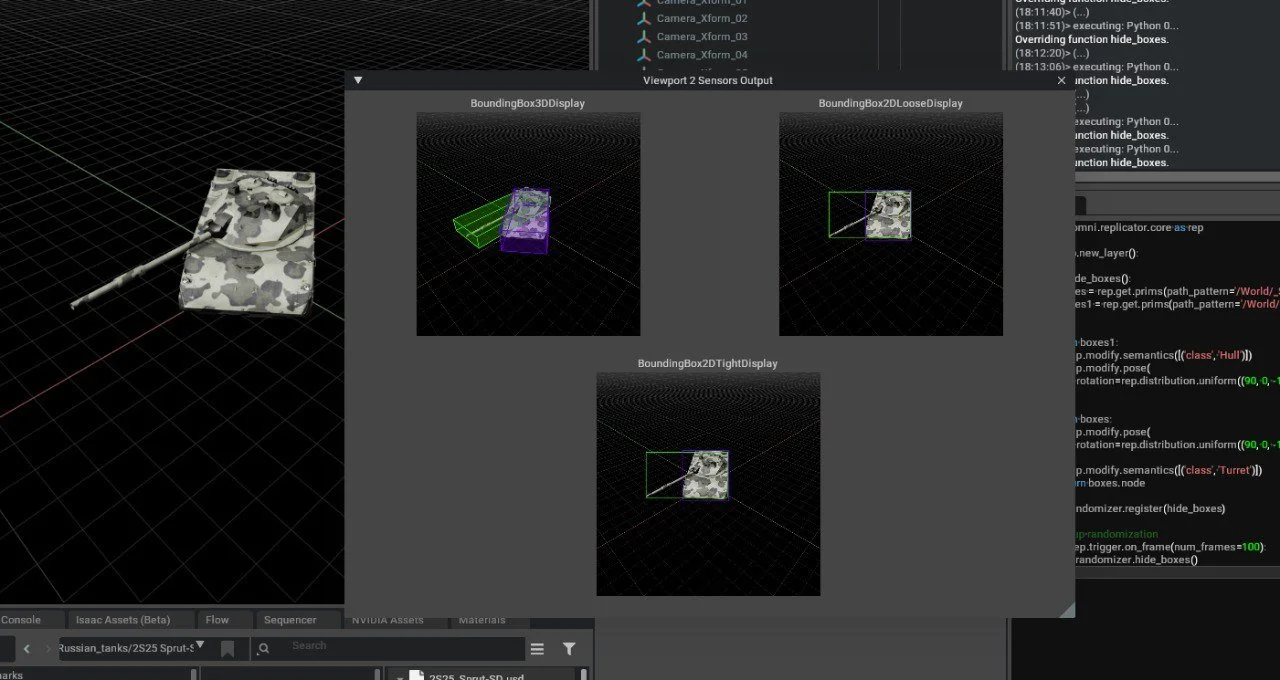
Multi-Modal Annotation: Manually labeling 3D bounding boxes and rotation data is prone to human error. I automated the extraction of pixel-perfect 2D/3D bounding boxes and pose estimation data directly from the simulation engine.
Technical Stack
3D Modeling & Scene Assembly: Blender
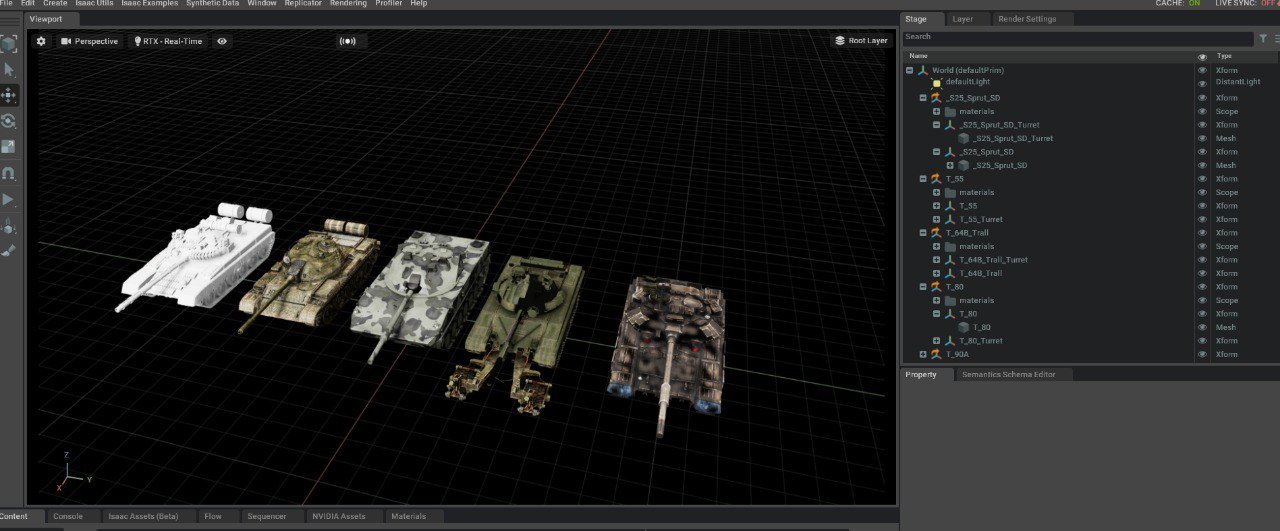
Simulation & Procedural Generation: Nvidia Isaac Sim & Replicator
Training & Optimization: Nvidia TAO (Train, Adapt, and Optimize) Toolkit
Neural Architecture: YOLOv5 (Optimized for real-time edge detection)
Engineering Highlights
Rapid Prototyping: Achieved a functional "Version 1" detection algorithm within seven days of project commencement.
High-Fidelity Labels: Generated thousands of perfectly annotated samples including depth, occlusion levels, and 3D spatial orientation that would be impossible to replicate manually.
Scalability: Built the pipeline to be asset-agnostic; new vehicles or environments can be integrated into the training set with minimal configuration changes.